Prepared: Casting the Copy — and Codie Copies It Again
Judge Level 2Diviner of Victory enters prepared. You cast its prepare spell, Codie copies it — but what happens to the Diviner afterwards?
Cards involved


The starting position
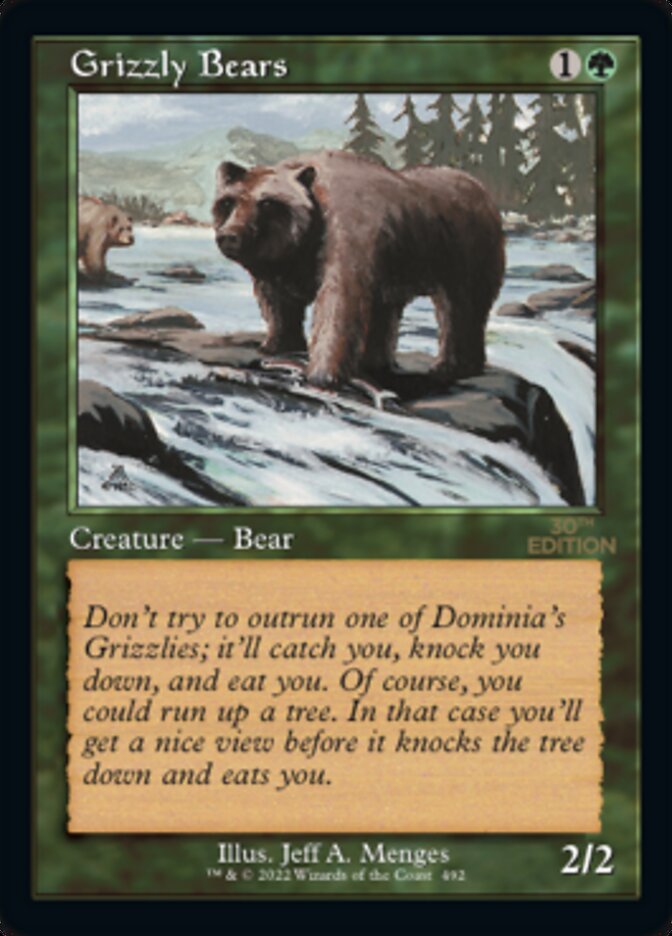
You control Codie, Ravenous Codex and Diviner of Victory. The Diviner is a preparation card: its inset frame holds its "prepare spell," Unwind History. Because it entered prepared, a copy of ONLY that spell has been sitting in exile since it arrived — and you may cast it as long as the Diviner stays prepared. Your opponent has Grizzly Bears.
722.3aSome spells and abilities cause a permanent with a prepare spell to become prepared or state that a permanent enters prepared. If that permanent has the alternative characteristics of a prepare spell, this gives the permanent the “prepared” designation. Prepared is a designation that acts as a marker which rules and effects can identify. A permanent can’t gain this designation unless it has a prepare spell. Additionally, a permanent can’t gain this designation if the permanent already has it.
722.3cAs a permanent with a prepare spell gains the prepared designation or phases in prepared, its controller creates a copy of that object in exile, except that copy has only the characteristics of that permanent’s prepare spell, ignoring other exceptions to the copying process that apply to that permanent. Those characteristics become the copy’s normal characteristics. This copy remains in exile for as long as the prepared permanent remains on the battlefield and has the prepared designation. This is an exception to rule 704.5e. For as long as the copy remains in exile, the prepared permanent’s controller may cast the copy. That permanent loses the prepared designation at the time the spell becomes cast (see rule 601.2i).
You cast Unwind History
You cast the copy from exile like any other spell: pay 
 , choose a target (Grizzly Bears, mana value 2). The moment the spell becomes cast, the Diviner loses its prepared designation — it's now "unprepared," no matter what happens to the spell from here.
722.3cAs a permanent with a prepare spell gains the prepared designation or phases in prepared, its controller creates a copy of that object in exile, except that copy has only the characteristics of that permanent’s prepare spell, ignoring other exceptions to the copying process that apply to that permanent. Those characteristics become the copy’s normal characteristics. This copy remains in exile for as long as the prepared permanent remains on the battlefield and has the prepared designation. This is an exception to rule 704.5e. For as long as the copy remains in exile, the prepared permanent’s controller may cast the copy. That permanent loses the prepared designation at the time the spell becomes cast (see rule 601.2i).
601.2To cast a spell is to take it from where it is (usually the hand), put it on the stack, and pay its costs, so that it will eventually resolve and have its effect. Casting a spell includes proposal of the spell (rules 601.2a–d) and determination and payment of costs (rules 601.2f–h). To cast a spell, a player follows the steps listed below, in order. A player must be legally allowed to cast the spell to begin this process (see rule 601.3). If a player is unable to comply with the requirements of a step listed below while performing that step, the casting of the spell is illegal; the game returns to the moment before the casting of that spell was proposed (see rule 733, “Handling Illegal Actions”).
Codie triggers
"Whenever you cast a prepared spell" — that's exactly what happened. Codie's trigger goes on the stack ABOVE Unwind History.
603.2Whenever a game event or game state matches a triggered ability’s trigger event, that ability automatically triggers. The ability doesn’t do anything at this point.
603.3Once an ability has triggered, its controller puts it on the stack as an object that’s not a card the next time a player would receive priority. See rule 117, “Timing and Priority.” The ability becomes the topmost object on the stack. It has the text of the ability that created it, and no other characteristics. It remains on the stack until it’s countered, it resolves, a rule causes it to be removed from the stack, or an effect moves it elsewhere.
What happens?
Question: What does Codie's copy do?
Codie's trigger is about to resolve and copy Unwind History. What's true of that copy — and of the Diviner?
Pick an answer to continue.
A copy takes on all characteristics and choices of the original (707.10), and CR 722.3d says explicitly: if a prepare spell is copied, the copy is a prepare spell too. Codie allows new targets (707.10c). The copy isn't cast — so it does NOT trigger Codie again, and it doesn't prepare anyone: "prepared" is a designation on the permanent (722.3a) that only effects like Codie's activated ability can set again. The Diviner lost it when the spell was cast (722.3c).
722.3dIf a prepare spell is copied, the copy is also a prepare spell. Any rule or effect that refers to a spell cast as a prepare spell refers to the copy as well.
707.10To copy a spell, activated ability, or triggered ability means to put a copy of it onto the stack; a copy of a spell isn’t cast and a copy of an activated ability isn’t activated. A copy of a spell or ability copies both the characteristics of the spell or ability and all decisions made for it, including modes, targets, the value of X, and additional or alternative costs. (See rule 601, “Casting Spells.”) Choices that are normally made on resolution are not copied. If an effect of the copy refers to objects used to pay its costs, it uses the objects used to pay the costs of the original spell or ability. A copy of a spell is owned by the player under whose control it was put on the stack. A copy of a spell or ability is controlled by the player under whose control it was put on the stack. A copy of a spell is itself a spell, even though it has no spell card associated with it. A copy of an ability is itself an ability.
707.10cSome effects copy a spell or ability and state that its controller may choose new targets for the copy. The player may leave any number of the targets unchanged, even if those targets would be illegal. If the player chooses to change some or all of the targets, the new targets must be legal. Once the player has decided what the copy’s targets will be, the copy is put onto the stack with those targets.
The copy sits on top
Codie's copy of Unwind History sits above the original. You keep Grizzly Bears as the target — there's no other opposing target anyway.
707.10To copy a spell, activated ability, or triggered ability means to put a copy of it onto the stack; a copy of a spell isn’t cast and a copy of an activated ability isn’t activated. A copy of a spell or ability copies both the characteristics of the spell or ability and all decisions made for it, including modes, targets, the value of X, and additional or alternative costs. (See rule 601, “Casting Spells.”) Choices that are normally made on resolution are not copied. If an effect of the copy refers to objects used to pay its costs, it uses the objects used to pay the costs of the original spell or ability. A copy of a spell is owned by the player under whose control it was put on the stack. A copy of a spell or ability is controlled by the player under whose control it was put on the stack. A copy of a spell is itself a spell, even though it has no spell card associated with it. A copy of an ability is itself an ability.
The copy resolves
Grizzly Bears returns to your opponent's hand and you surveil 1. (Incidentally: your Diviner triggers on surveil and becomes 2/2 until end of turn.)
The original comes up empty
Now the original Unwind History would resolve — but its only target is gone. A spell whose targets have all become illegal doesn't resolve at all (608.2b): no bounce, and NO second surveil. Rule of thumb: the prepare spell is cast normally (costs, targets, "cast" triggers), the creature is unprepared from that moment on — and copies of it are prepare spells themselves, but aren't cast.
608.2bIf the spell or ability specifies targets, it checks whether the targets are still legal. A target that’s no longer in the zone it was in when it was targeted is illegal. Other changes to the game state may cause a target to no longer be legal; for example, its characteristics may have changed or an effect may have changed the text of the spell. If the source of an ability has left the zone it was in, its last known information is used during this process. If all its targets, for every instance of the word “target,” are now illegal, the spell or ability doesn’t resolve. It’s removed from the stack and, if it’s a spell, put into its owner’s graveyard. Otherwise, the spell or ability will resolve normally. Illegal targets, if any, won’t be affected by parts of a resolving spell’s effect for which they’re illegal. Other parts of the effect for which those targets are not illegal may still affect them. If the spell or ability creates any continuous effects that affect game rules (see rule 613.11), those effects don’t apply to illegal targets. If part of the effect requires information about an illegal target, it fails to determine any such information. Any part of the effect that requires that information won’t happen.
Stack

Diviner of Victory // Unwind History
1/1 creature, enters prepared; prepare spell: Unwind History

Codie, Ravenous Codex
Whenever you cast a prepared spell, copy it
Grizzly Bears
Opposing 2/2 creature
Copy: Diviner of Victory // Unwind History
Unwind History (copy from exile, cast for ): bounce a creature with mana value 3 or less; surveil 1
Triggered ability: Codie, Ravenous Codex
Codie: copy the prepared spell
Copy: Diviner of Victory // Unwind History
Copy of Unwind History (Codie) — not cast
The stack is empty.
Battlefield
—
In short
Is a copy of a prepare spell also a prepare spell, and does it prepare the creature again?
Show answer Hide answer
A copy takes on all characteristics and choices of the original (707.10), and CR 722.3d says explicitly: if a prepare spell is copied, the copy is a prepare spell too. Codie allows new targets (707.10c). The copy isn't cast — so it does NOT trigger Codie again, and it doesn't prepare anyone: "prepared" is a designation on the permanent (722.3a) that only effects like Codie's activated ability can set again. The Diviner lost it when the spell was cast (722.3c).
722.3aSome spells and abilities cause a permanent with a prepare spell to become prepared or state that a permanent enters prepared. If that permanent has the alternative characteristics of a prepare spell, this gives the permanent the “prepared” designation. Prepared is a designation that acts as a marker which rules and effects can identify. A permanent can’t gain this designation unless it has a prepare spell. Additionally, a permanent can’t gain this designation if the permanent already has it.
722.3cAs a permanent with a prepare spell gains the prepared designation or phases in prepared, its controller creates a copy of that object in exile, except that copy has only the characteristics of that permanent’s prepare spell, ignoring other exceptions to the copying process that apply to that permanent. Those characteristics become the copy’s normal characteristics. This copy remains in exile for as long as the prepared permanent remains on the battlefield and has the prepared designation. This is an exception to rule 704.5e. For as long as the copy remains in exile, the prepared permanent’s controller may cast the copy. That permanent loses the prepared designation at the time the spell becomes cast (see rule 601.2i).
601.2To cast a spell is to take it from where it is (usually the hand), put it on the stack, and pay its costs, so that it will eventually resolve and have its effect. Casting a spell includes proposal of the spell (rules 601.2a–d) and determination and payment of costs (rules 601.2f–h). To cast a spell, a player follows the steps listed below, in order. A player must be legally allowed to cast the spell to begin this process (see rule 601.3). If a player is unable to comply with the requirements of a step listed below while performing that step, the casting of the spell is illegal; the game returns to the moment before the casting of that spell was proposed (see rule 733, “Handling Illegal Actions”).
603.2Whenever a game event or game state matches a triggered ability’s trigger event, that ability automatically triggers. The ability doesn’t do anything at this point.
603.3Once an ability has triggered, its controller puts it on the stack as an object that’s not a card the next time a player would receive priority. See rule 117, “Timing and Priority.” The ability becomes the topmost object on the stack. It has the text of the ability that created it, and no other characteristics. It remains on the stack until it’s countered, it resolves, a rule causes it to be removed from the stack, or an effect moves it elsewhere.
722.3dIf a prepare spell is copied, the copy is also a prepare spell. Any rule or effect that refers to a spell cast as a prepare spell refers to the copy as well.
707.10To copy a spell, activated ability, or triggered ability means to put a copy of it onto the stack; a copy of a spell isn’t cast and a copy of an activated ability isn’t activated. A copy of a spell or ability copies both the characteristics of the spell or ability and all decisions made for it, including modes, targets, the value of X, and additional or alternative costs. (See rule 601, “Casting Spells.”) Choices that are normally made on resolution are not copied. If an effect of the copy refers to objects used to pay its costs, it uses the objects used to pay the costs of the original spell or ability. A copy of a spell is owned by the player under whose control it was put on the stack. A copy of a spell or ability is controlled by the player under whose control it was put on the stack. A copy of a spell is itself a spell, even though it has no spell card associated with it. A copy of an ability is itself an ability.
707.10cSome effects copy a spell or ability and state that its controller may choose new targets for the copy. The player may leave any number of the targets unchanged, even if those targets would be illegal. If the player chooses to change some or all of the targets, the new targets must be legal. Once the player has decided what the copy’s targets will be, the copy is put onto the stack with those targets.
608.1Each time all players pass in succession, the spell or ability on top of the stack resolves. (See rule 609, “Effects.”)
608.2bIf the spell or ability specifies targets, it checks whether the targets are still legal. A target that’s no longer in the zone it was in when it was targeted is illegal. Other changes to the game state may cause a target to no longer be legal; for example, its characteristics may have changed or an effect may have changed the text of the spell. If the source of an ability has left the zone it was in, its last known information is used during this process. If all its targets, for every instance of the word “target,” are now illegal, the spell or ability doesn’t resolve. It’s removed from the stack and, if it’s a spell, put into its owner’s graveyard. Otherwise, the spell or ability will resolve normally. Illegal targets, if any, won’t be affected by parts of a resolving spell’s effect for which they’re illegal. Other parts of the effect for which those targets are not illegal may still affect them. If the spell or ability creates any continuous effects that affect game rules (see rule 613.11), those effects don’t apply to illegal targets. If part of the effect requires information about an illegal target, it fails to determine any such information. Any part of the effect that requires that information won’t happen.